Sports Medicine Toronto Clinic Guide: The First 4 Weeks After Knee Replacement
I remember standing in the Costco parking lot, stroller half folded in the trunk, and thinking, this is stupid. My dad had been home from the hospital two days and his new knee looked fine under the compression sock, but every step was slow and guarded, like he was walking on eggshells. He winced getting out of the car, and I felt that familiar tug of guilt—the kind that says you should have done something sooner, even though what, exactly, you should have done is fuzzy.
It was a Tuesday. The sky had that late-winter grey that makes Peel Region look like a long mall roof. We drove back to Brampton after a short visit and my wife asked the same thing she always asks: "Did you book the physio?" I had called around the first week, but I figured the hospital discharge papers that said they'd set up outpatient follow-up would be enough. Turns out outpatient meant "call these numbers and good luck." So I took on the job of the middleman, the guy who would actually make the appointments, drive my dad around, and sit through the sessions so he didn't have to keep repeating himself about where his leg hurt.
I want to be clear: I am not a clinician. I'm the guy who deals with the parking at North York clinics, who learned the difference between an OT and a physio by asking a dozen awkward questions in a waiting room, and who has a drawer full of exercise sheets I promised I'd do and then, well, you know. This is what happened in the first month after my dad's knee replacement, from a totally non-professional, very personal view.
First three days at home: denial, then panic
The first 48 hours after we brought him home were a blur of pill organizers, textured rugs, and finding the one chair in the house that felt like a throne because it had the right seat height. My dad is stubborn in a stoic way. He'd smile and tell me he was "fine" whenever I hovered, but he'd call me for help putting on his sock. He wasn't the sort to overstate pain, so when he said something hurt, it was worth listening to.
Night one I woke at 2am because I could hear him moving slowly through the hallway. The hallway light made the linoleum shine. He sat at the edge of the bed, breathing shallow, and when I asked if he was okay he said his leg felt stiff, like concrete. That sentence—stiff like concrete—was the one that made me stop trying to manage this casually.
I had lots of assumptions. I assumed physio after a knee replacement was the same thing they'd do for a strained hamstring after a rec hockey clumsy check: a few stretches, maybe some ultrasound, and a polite send-off with a printed sheet. I did not know how much hands-on work and guided progression mattered when someone had metal in their knee. I also assumed OHIP would cover the basics because the hospital people made it sound like, at best, a "we will refer" and at worst, a shrug.
Week one: first appointment, and the clinic smell
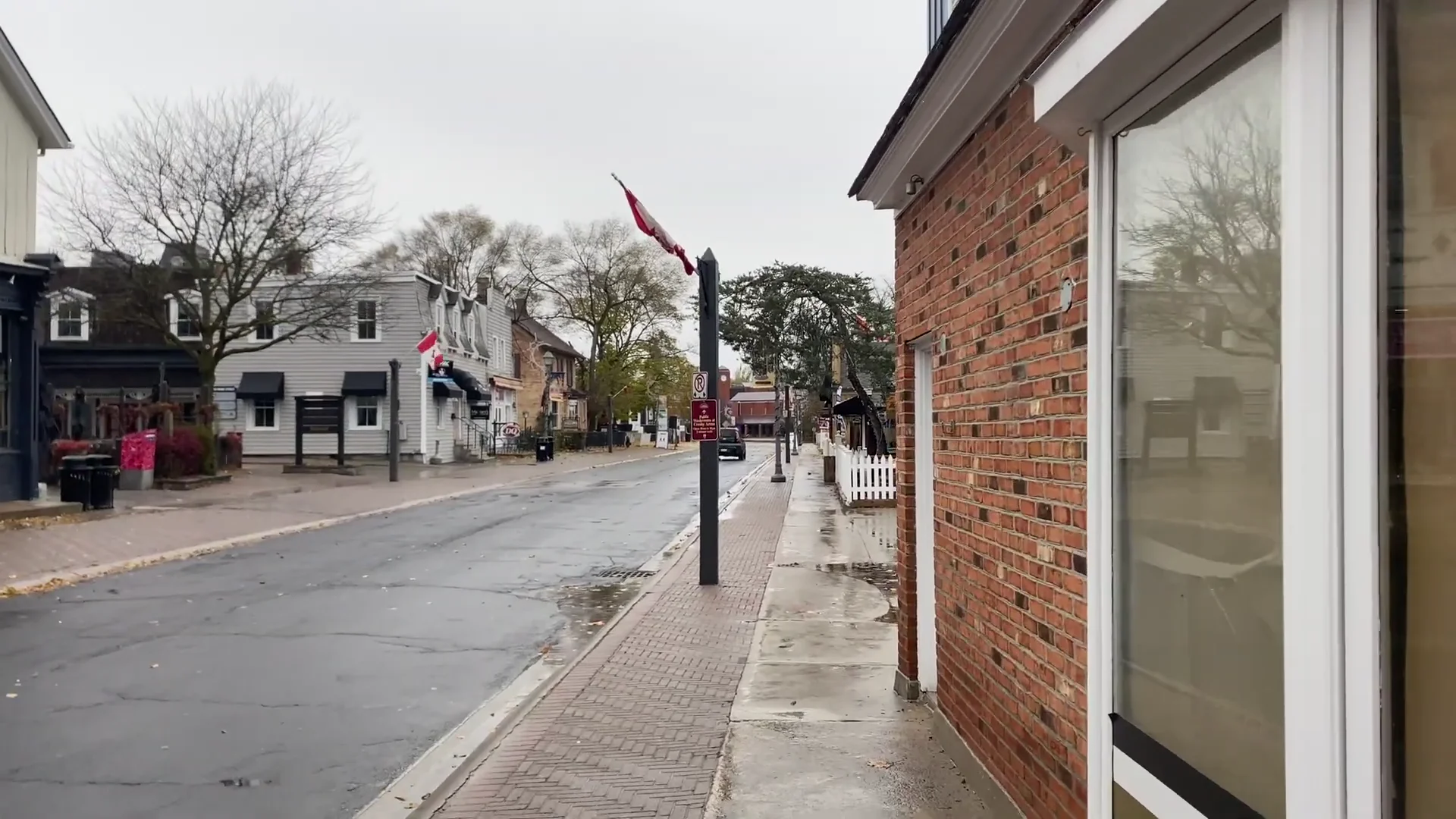
The clinic we ended up at was in North York, not because I had a lifelong loyalty to the street, but because it was the only one that had a physiotherapist available on short notice and accepted the discharge paperwork the way my dad's surgeon's office had formatted it. I had found the clinic online and came across https://lifestyle.kccrradio.com/story/303287/canada-approved-knee-osteoarthritis-implant-now-offered-in-toronto/ while I was comparing options and reading patient forms late at night. It was one of those incidental things you file away and then forget until someone asks where you found the phone number.
Walking into the clinic on a Friday morning, there was that familiar clean smell—linen and a faint medicinal liniment, nothing harsh. The waiting room felt like a community centre more than a hospital lobby: wooden chairs, a noticeboard with hockey league flyers, a couple of kids' drawings stuck to the bulletin with a magnet. The physio who greeted us had the kind of voice that is calm by design, not naturally calm. She asked the quick questions you expect—when did the surgery happen, any new swelling, how are you sleeping—then asked my dad to move.
What surprised me was how much of the first session was about watching. The physio watched him stand, watched him take a step, watched him shift weight from his left to his right leg. She didn't only ask "does this hurt?" She asked my dad to point to where it hurt, to show how he got out of a chair at home, to demonstrate climbing the few steps into his house. He didn't realize he had started favoring the other leg until she pointed it out, the way you notice a blind spot in your car mirror once someone else tells you it's there.
The assessment table was vinyl, the kind that squeaks when you tug the sheet. The physio had him lie down and gently moved his leg in ways I wouldn't have thought appropriate for a brand new joint. He flinched the first time she did a passive range of motion test, but then relaxed when she explained what she was doing. She told us that early motion was important and that some stiffness was expected, but she kept circling back to function: getting up from a chair, walking across the kitchen, stepping into the shower.
OHIP and the paperwork maze
One of the things I learned in week one, the hard way, was that the billing and coverage part is not straightforward unless you live and breathe patient forms. The hospital had given us a list of clinics that "work with OHIP," but what that meant differed from place to place. The clinic we chose accepted the hospital referral and submitted claims under my dad's name, but there were also top-ups and forms we had to sign for private sessions if he wanted extra one-on-one time beyond what the publicly covered slots allowed. I had assumed the surgeon's discharge line would magically mean everything was covered. It did not. The physio explained which parts they would bill and which parts might be private; I scribbled notes on my phone because my dad nodded like he understood but he was clearly overwhelmed.
That first week the progress was tiny but palpable. He could bend his knee a few degrees more when he was laying on the table. He could put his shoe on with less grunting. The physio taught him how to do an assisted Push Pounds Physiotherapy heel slide and insisted he practice it three times a day, which we tried to turn into a routine between coffee and lunch. There was a stack of handouts in her folder—simple diagrams of exercises, written in plain language, not the clinical pamphlet nonsense. Those handouts ended up in my dad's kitchen drawer, half-covered by eBay receipts and a bottle opener.
Week two: the treadmill that looks like a spaceship
By the second week we were more comfortable with the schedule. The clinic had a rehab room with a bike and a treadmill, but in the corner was a piece of equipment that looked like it belonged in a sci-fi movie. It was enclosed, domed, with a clear hatch and a brand sticker. The physio explained it was used for gradual weight-bearing training for some patients, especially those coming back from joint surgery. I had no idea such a thing existed, despite having gone to a few clinics over the years for my own minor aches. My dad called it "the spaceship" and said he felt like an astronaut when he got on.
The physio used it carefully. The first session on the treadmill was slow and deliberate, my dad holding onto the rails and watching his feet through the plastic. Even at low speeds, you'd notice the psychological shift: he walked more evenly, his steps less tentative. The therapist adjusted settings and explained that this was a controlled way to reintroduce weight through the joint without the fear of falling, and you could see the relief on my dad's face when walking stopped being a negotiation between pain and determination.
The real work, though, was at home. The physio gave a set of exercises meant to be repeated daily. She also showed my dad how to do them properly—no guessing. For a man who had fixed cars for years, the precision of movement was a new lesson. He'd always been the type to "just push through," but with the physio there to make him stop and reset his knee tracking, he started to slow down and pay attention to alignment in a way I hadn't seen before.
A short list of exercises my dad was told to do at home (these are what he did, not a recommendation for anyone else)
- assisted heel slides while lying down, to gently increase bend
- straight leg raises to keep the quad muscles awake
- mini squats to a chair, focusing on controlled descent and proper knee alignment
- ankle pumps for circulation and to prevent swelling
Week three: the tiny victories
Week three was the point where "small wins" became real. He could stand for longer while making a sandwich. He could walk the length of the living room without needing a rest. The physio started introducing more functional tasks: practicing standing from different heights of chairs, stepping onto a low curb, and navigating a simulated kitchen step with a weighted tote bag to mimic carrying groceries.
One day after a session I drove him home along the 410, listening to country radio while he talked about the weirdness of having strangers check your knee so deliberately. He told me he appreciated how the physio didn't treat him like a broken fixture, but instead talked him through how his movement patterns were affecting his recovery. He said she pointed out things his surgeon never did, like how he shifted his hips when he tried to bend the knee. That idea—movement habits matter—stuck with me. It was also something I heard more in places I searched online late at night when the house was quiet and my mind was full of scheduling logistics and insurance questions. I started typing "physiotherapy North York" into the search bar more out of curiosity than intent, because watching him improve had made me interested in how these clinics operated.
There were bad days too. On week three my dad overdid it helping carry in mulch from the trunk, a dumb choice he made in sunlight and stubbornness, and the next day his knee ballooned with swelling. The physio came in and explained what she observed—there was extra fluid and the movement was more guarded. She didn't blame him, but she did adjust his plan. We iced, we elevated, and we scaled back the intensity for a few days. That episode taught both of us that recovery is not a straight line. Progress happens in fits and starts, and patience is not optional.
Week four: confidence and the funny business of habits
By the fourth week my dad had regained a fair bit of confidence. He could get down and up from the couch without a grunt. He could walk to the end of the driveway and back without leaning on the car. He could stand on one leg long enough to say the words, "I think I'm getting there," which made my wife cheer, and then immediately add, "Don't get excited, don't you go showing off," which made all of us laugh.
The physio shifted the focus in our sessions from just range of motion to endurance and retraining the movement patterns that had been kicked sideways by years of compensations. That meant more repetition, more focus on the hips and the way his foot rolled, and a lot more cueing than we would have expected. She used manual guidance in sessions, hands-on re-positioning that made my dad say, half-joking, "Feels like you're putting my leg back in place." He liked the tactile feedback; he trusted it.
A weird thing happened about three weeks in: my dad started correcting himself. He'd catch his own squat and think, "No, not like that," and fix it. That kind of self-awareness felt like real rehab to me, the point where the therapist's words had sunk in and become part of his daily movement vocabulary. He also started to enjoy the sessions more. At first they were a necessary chore. By week four they were the part of the week he looked forward to because he could see forward movement.
The people side of physiotherapy
What surprised me through the month was how much of the process was about communication and simple human things. The physio called once after a weekend when the swelling looked worse to check on him. She didn't need to, but she did, and that small check-in made scheduling follow-ups easier because we already had built a working relationship. On another day the receptionist had a conversation with my dad about transport options when he wanted to get to a clinic but didn't feel safe driving yet. Small courtesies like that matter when you're dealing with a new joint and a fresh fear of falling.
I also learned to be the translator of medical terms. At the surgeon's two-week follow-up my dad came home with a handful of phrases he couldn't remember and an explanation that felt rushed. The physio filled in the gaps. She told us what "range of motion" actually meant for his daily life and how certain exercises connected to tasks like getting into a car or kneeling in the garden. She didn't tell him what he should do forever, she showed him how to practice and gave feedback on the spot, which in our house is way more useful than a glossy pamphlet.
What I would have done differently
If I had a rewind button for that first month, I'd have called the physio the day we came home from the hospital. Not because the surgeon's discharge was wrong, but because having someone show up early to guide movement and set realistic expectations would have saved a lot of guesswork and stress. I would have asked more specific questions at the start about what the public coverage included, because assuming things about OHIP and post-op physio is a rookie error.
I'd also have taken the exercises myself for a week, not because I'm injured, but because watching my dad do them and doing them alongside him made the whole process less lonely. When you're the person who drives someone to the clinic you can feel like a logistics manager, but joining in even on a few ankle pumps or heel slides made me feel more involved and more useful.
The reality of recovery
Four weeks in, my dad was still not back to his pre-surgery baseline. He still had days when the knee felt tight and mornings when the first steps required a pause. But the shape of his recovery felt different than it had in that first car-park moment. It felt like a road with markers instead of a foggy field. The physiotherapist's role was not magic. It was deliberate, repetitive, patient, and occasionally hands-on in ways that made a practical difference in how he moved.
If you ask me whether the process in a North York clinic or a downtown place is any different, I can't answer that objectively. What I can say is that the team we ended up with communicated well, explained things in plain language, and made the exercises make sense to a stubborn 68-year-old who still thinks he can lift a full bag of mulch by himself. I found myself Googling "sports medicine Toronto" out of curiosity, not necessity, because once you see a physio actually work through the movement issues post-op, you start noticing pathways through the system you didn't know existed.
Final thoughts from a non-clinical guy
If there's a take-away from the month that isn't medical advice but is just what a son noticed, it's this: the people who ran the sessions paid attention to function, not just numbers. They would measure and track range of motion, but they'd tie it back to living: can you get into a car, can you climb steps, can you stand to make dinner without stopping. Those are the things that mattered to my dad, and that's what kept him going to the sessions even when the exercises got boring.
We are still in month two now, and there's more to come, more tweaking and more patience. The physio still adjusts things, and my dad still reminds me to set a timer for his exercises. He jokes that next week he'll be back to complaining about my mom's lasagna consistency, and I believe him. For me, the month showed how much the personal side of rehabilitation matters: clear communication, realistic expectations, and therapists who are willing to explain the purpose of each movement in plain English.
If you want to know more about what a clinic looks like from the patient's side, I'm happy to share the small details I missed the first time through—the parking weirdness, the music playing in the waiting room, the way a receptionist can make a stressful week easier. But this is our story: four weeks, lots of small steps, and a dad who is getting better at telling us when he needs help instead of pretending he does not.